
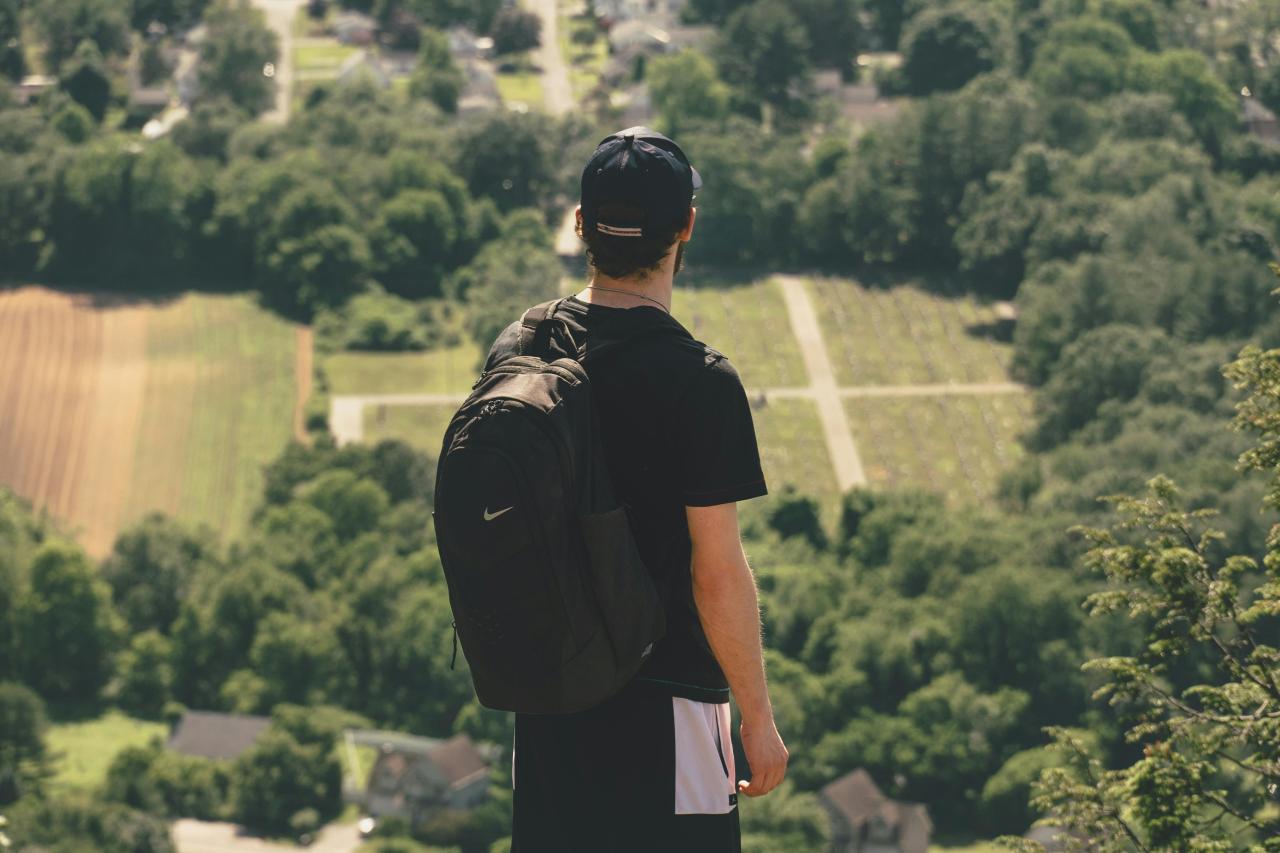
Confidence and Caution: Mastering the Art of Traveling Alone
The allure of Solo Travel lies in its profound personal freedom: the unburdened ability to chart one’s own course, linger where the spirit moves, and engage with the world entirely on one’s own terms. This independence, however, comes with a corresponding responsibility to manage one’s own safety and security without the immediate backup of a travel partner. For both men and women, but particularly for solo female travelers, navigating unfamiliar environments requires a heightened sense of situational awareness and the application of practical, proven strategies designed not to induce paranoia, but to foster informed confidence.
True safety abroad is less about avoiding all risks and more about mastering the subtle art of deterrence—appearing confident, making smart logistical choices, and leveraging technology to ensure someone always knows your whereabouts and status. This guide moves beyond vague warnings, providing actionable, detailed advice on everything from securing accommodation and managing transport to handling social situations and dealing with personal emergencies, ensuring that the solo traveler can embrace the world’s challenges with assurance and return home with nothing but incredible stories.
Phase One: Pre-Trip and Digital Security Protocol
Before leaving home, the solo traveler must establish a digital safety net and organize their key documents to be resilient against loss or theft.
A secure digital foundation ensures that identity theft is thwarted and emergency contacts can be reached quickly.
A. The Digital Safety Trail
Establish a clear, redundant system for sharing your itinerary and location with a trusted contact back home.
- Shared Itinerary: Create a single, shared document (e.g., a Google Sheet) containing flight details, all booked accommodation names/addresses, and expected arrival/departure dates, and share this with at least two trusted friends or family members.
- Check-in Protocol: Agree on a non-negotiable daily or semi-daily check-in time and method (e.g., a simple emoji via WhatsApp at 9 PM local time). If the check-in is missed, the home contact initiates an agreed-upon emergency protocol.
- Location Sharing: Enable a temporary location-sharing feature (e.g., “Share Live Location” on WhatsApp or Google Maps) with your trusted contact for periods of high risk, such as long bus rides or late-night walks.
- Two-Factor Authentication (2FA): Enable 2FA on all essential accounts (banking, email, social media) and ensure you have access to backup codes, as your primary phone number might not work abroad.
- Digital Wallet Security: Minimize the data stored on your phone by using digital wallets (Apple Pay/Google Pay) for payments, avoiding the need to physically pull out a card in public spaces.
B. Document and Money Diversification
Avoid keeping all vital documents, cash, and credit cards in one place, as a single event of loss or theft should not completely incapacitate your ability to function.
- Multiple Secure Locations: Divide your cash, credit cards, and copies of your passport into three separate, secure locations on your person or in your luggage (e.g., a money belt, a backpack pocket, a shoe).
- Primary Card Separation: Designate one credit card and one debit card as your “primary” cards for daily use, keeping a second set (the “emergency reserve”) locked away in your accommodation or luggage.
- Decoy Wallet: Carry a small, cheap “decoy wallet” with a small amount of cash and expired or non-essential cards to hand over in the event of a mugging, protecting your real funds.
- Security Scans: Scan your passport, visa, health insurance card, and driver’s license, saving the images to a secure cloud folder and emailing copies to your trusted home contact.
- Cash Reserve: Carry a small, hidden emergency stash of a widely accepted currency (like $\$100$ USD in twenties) that can be accessed only in a dire, unforeseen emergency.
Phase Two: Accommodation and Transportation Security
The choice and handling of accommodation and transport are key areas where a solo traveler is most vulnerable to opportunistic crime.
Always prioritize safety and security features over marginal savings when choosing where to sleep and how to move.
A. Vetting and Securing Accommodation
Your lodging is your private sanctuary; ensuring its security is paramount for both safety and peace of mind.
- Review Scrutiny: When booking, only select accommodation (hostels, hotels, Airbnbs) with a very high number of recent, positive security reviews, specifically mentioning the safety of the neighborhood and the quality of door locks.
- Private Entry/Exit: Always secure your room or dorm bed immediately upon arrival with a physical lock. Carry a small, portable Door Stop Alarm to wedge under the main door at night for an extra layer of security.
- Baggage Security: Never leave valuables unsecured in a dorm room or communal space. Use a combination lock to secure your bag to a fixed object (e.g., a bed frame) or use the hostel’s private lockers.
- Do Not Announce: If staying in a hotel, ask the check-in clerk to write your room number down rather than saying it aloud, especially if you are traveling alone.
- Trusted Hostels: If staying in a hostel, opt for established, reputable chains or highly reviewed independent hostels rather than the absolute cheapest, unknown option.
B. Safe Local and Intercity Transportation
Public transport is usually safe, but solo travelers must take extra precautions, especially after dark.
- Trusted Apps: Rely exclusively on reputable, country-specific ride-sharing apps (like Uber, Grab, or local equivalents) where the driver and license plate are registered and tracked via GPS.
- Verification Check: Before entering any pre-booked ride, verify the license plate and driver photo against the app, and send a screenshot of the ride details to your emergency contact.
- Night-Time Rules: Never take un-registered taxis or walk alone through unlit, unfamiliar areas after dark. Use a trusted, secure transport method even if it costs a few dollars more.
- Bus Luggage: If traveling by bus, keep all valuables (passport, laptop, cash) in a small daypack on your lap. Do not store this bag above your seat or under the bus unless absolutely necessary and secure.
- Feigning Local Knowledge: When asking for directions, pretend to know the general vicinity of your destination (“Is the market near the main square?”) rather than admitting total confusion or showing a paper map in an obvious tourist manner.
Phase Three: Situational Awareness and Social Dynamics
The key to preventing trouble is situational awareness—being present, observing your environment, and using confident body language as a strong deterrent.
A confident, aware demeanor is the best defense against opportunistic crime, making you a less appealing target.
A. Maintaining Situational Awareness
Be fully aware of your surroundings at all times, especially in crowded or transition zones.
- No Distractions: Avoid walking while completely absorbed in your phone, wearing both earbuds, or looking visibly lost or confused, especially in busy public transport stations or markets.
- Bag Placement: Wear backpacks on both shoulders and keep a daypack in front of you (not on your back) in crowded areas. When seated at a cafe, loop your bag strap around the chair leg.
- The “Look and Move” Rule: When pulling out your phone to check a map, stop, stand against a wall, look at the route, and then put the phone away before continuing to walk, preventing potential snatches.
- Street Scams: Be immediately wary of excessive friendliness from strangers offering unsolicited assistance, especially those pointing out “dirt” or “spills” on your clothing (a classic distraction technique for pickpocketing).
- Trust Your Gut: If a situation or person feels wrong, leave immediately, even if it feels rude or you lose a small amount of money (e.g., a prepaid ticket). Your intuition is your best security system.
B. Navigating Social Interactions (For Solo Women and Men)
Solo travelers are often approached by others; knowing how to manage these interactions respectfully but firmly is a vital skill.
- Firm Boundaries: Be polite, but firm, when declining unwanted offers (e.g., a taxi ride, a purchase, or a date). A quick, clear “No, thank you” and continuing to walk is often better than a long excuse.
- Feigning Connection: In uncomfortable situations, if asked about your travel status, state that you are meeting your husband/boyfriend/friend at the next corner, or mention that you are not traveling alone.
- The Role-Play Technique: Practice a confident, slightly aloof “resting face” and a determined pace of walking to project an image of purpose and awareness.
- Alcohol Consumption: Exercise extreme caution regarding alcohol and substance consumption. Never leave a drink unattended, and only drink enough to remain fully alert and able to find your way home safely.
- Meeting Others: When meeting fellow travelers or locals from an online platform, always choose a public, crowded place (a coffee shop, a major park) for the first meeting and inform your home contact of the location.
Final Thoughts on Solo Security
Solo travel is an act of empowerment, and the best way to honor that freedom is to treat your security with unwavering respect. The strategies outlined here are not meant to stifle the adventure, but to enable it by creating a robust personal safety system. The core of this system is situational awareness—being present, alert, and mindful of your surroundings at all times. By dividing your valuables, securing your accommodation with physical locks, relying on tracked transport apps, and maintaining a strict check-in protocol, you mitigate the vast majority of risks associated with traveling alone. The confidence that comes from being prepared is the most attractive deterrent to opportunistic crime. Travel alone to find yourself, but do so with the discipline of a seasoned security expert.