
The transition from traditional heavy-duty expeditions to institutional-grade ultra-light movement represents a significant evolution in modern exploration and athletic achievement. We are currently navigating a global landscape where the ability to traverse vast distances with minimal physical burden is no longer just a trend but a core requirement for high-level performance. This evolution in equipment architecture requires a sophisticated understanding of advanced textiles, ergonomic engineering, and the psychological discipline needed to strip away non-essential weight. For the modern adventurer or professional guide, mastering the mechanics of minimalist high-performance gear is a fundamental pillar for scaling influence and achieving record-breaking results in extreme environments.
Achieving elite status in this domain involves more than just buying expensive bags; it requires a deep dive into material science, modular packing systems, and the art of resource optimization. This guide is designed to deconstruct the complex layers of the modern adventure gear ecosystem, providing you with a masterclass in the strategies used by the world’s most successful explorers. By focusing on the synergy between technical precision and raw durability, you can transform a standard packing list into a predictable, high-performance engine of mobility. Let us explore the blueprints of gear sovereignty and discover how to build a legacy of efficiency that thrives in an era of rapid technical innovation.
The Foundation of Ultra-Light Material Science
Building an elite gear kit requires a structural approach to every fiber and seam involved in your journey. You must treat your equipment selection with the same level of professional scrutiny as an aerospace engineering project.
A. Dyneema and Advanced Composite Fabrics
The bedrock of modern ultra-light performance is the integration of high-strength-to-weight ratio materials like Dyneema. This fiber is significantly stronger than steel but light enough to float on water, making it the gold standard for waterproof packs. Using these composites allows adventurers to carry heavy loads without the weight of the pack itself adding to the burden.
B. Titanium and Carbon Fiber Frameworks
Elite gear utilizes rigid yet weightless frameworks to distribute load across the human skeletal structure. Titanium is favored for its heat resistance in cookware, while carbon fiber provides the structural integrity needed for high-end trekking poles. These materials ensure that strength is never sacrificed for the sake of lightness.
C. Aero-Gel Insulation and Nanotechnology
Modern warmth is no longer about bulk but about the molecular trapping of heat through advanced synthetic insulators. Aero-gel technologies provide maximum thermal protection with a profile that is nearly invisible to the eye. This allows for extreme cold-weather protection that still fits into a palm-sized compression sack.
Strategic Modular Packing Systems
Efficiency in the wild is determined by how quickly you can access your resources without disrupting your flow. A modular approach ensures that your system remains organized and balanced regardless of the terrain.
A. Cuboid Compression and Weight Distribution
Organizing your gear into cuboid modules allows for a gapless fit within your primary carry system. This prevents the shifting of weight during high-intensity movement, which is a primary cause of physical fatigue. Proper distribution ensures that the center of gravity remains close to the spine.
B. Zonal Accessibility and Emergency Logic
Your most critical items must be accessible within seconds without the need to unpack your entire kit. Elite blueprints place medical supplies and navigation tools in high-access zones near the hip or chest. This logic saves time during critical moments and reduces the cognitive load of searching for gear.
C. The Concept of Multi-Use Utility
Every item in an elite kit should ideally serve at least two distinct purposes to justify its weight. A titanium cup can be used for cooking, eating, and collecting water samples simultaneously. This philosophy reduces the total item count while increasing the overall versatility of the adventurer.
Advanced Ergonomics and Human Interface
The connection between the gear and the body must be seamless to prevent injury and maximize energy output. Ergonomics is the silent factor that separates elite gear from standard consumer products.
A. Anatomic Load Transfer Systems
Modern packs use dynamic suspension systems that move with the natural rotation of the hips. This prevents the equipment from acting as a static weight that drags against the user’s momentum. By transferring weight directly to the lower limbs, the shoulders remain free for better respiratory expansion.
B. Breathability and Moisture Management Membranes
High-performance clothing acts as a second skin that regulates temperature through advanced pore technology. These membranes allow sweat vapor to escape while preventing external water droplets from entering the system. Staying dry is not just a comfort issue; it is a fundamental safety requirement in alpine environments.
C. Footwear Biomechanics and Kinetic Energy Return
Elite trail shoes utilize carbon plates and specialized foams to return energy to the foot during each stride. This reduces the metabolic cost of walking, allowing the adventurer to travel further with the same amount of fuel. The grip patterns are engineered using computer simulations to provide maximum traction on diverse geological surfaces.
High-Altitude and Extreme Climate Adaptation
Operating in extreme environments requires specialized gear that can withstand massive pressure and temperature fluctuations. Your equipment must be a fortress that moves with you.
A. Hardshell Architecture and Wind Resistance
In high-velocity wind environments, the outer layer must be impenetrable to prevent the stripping of body heat. Seam-sealed construction and waterproof zippers are technical requirements for elite hardshells. This layer acts as the primary shield against the unpredictable forces of nature.
B. Integrated Solar and Energy Harvesting
Modern expeditions rely on electronic navigation and communication, requiring a stable power source. Ultra-light solar panels are now integrated directly into the fabric of packs to charge batteries during movement. This ensures that GPS and satellite tools remain operational throughout the duration of the trip.
C. Hydration Filtration and Biological Defense
Access to clean water is the most critical survival factor in any environment. Hollow-fiber membrane filters allow explorers to drink from any water source with absolute safety from bacteria and protozoa. These devices are now small enough to fit inside a standard straw, weighing only a few grams.
The Psychology of Minimalist Preparation
Mastering your gear is as much a mental challenge as it is a physical one. You must develop the discipline to trust your equipment and your ability to use it effectively.
A. Cognitive Load Reduction Through Gear Familiarity
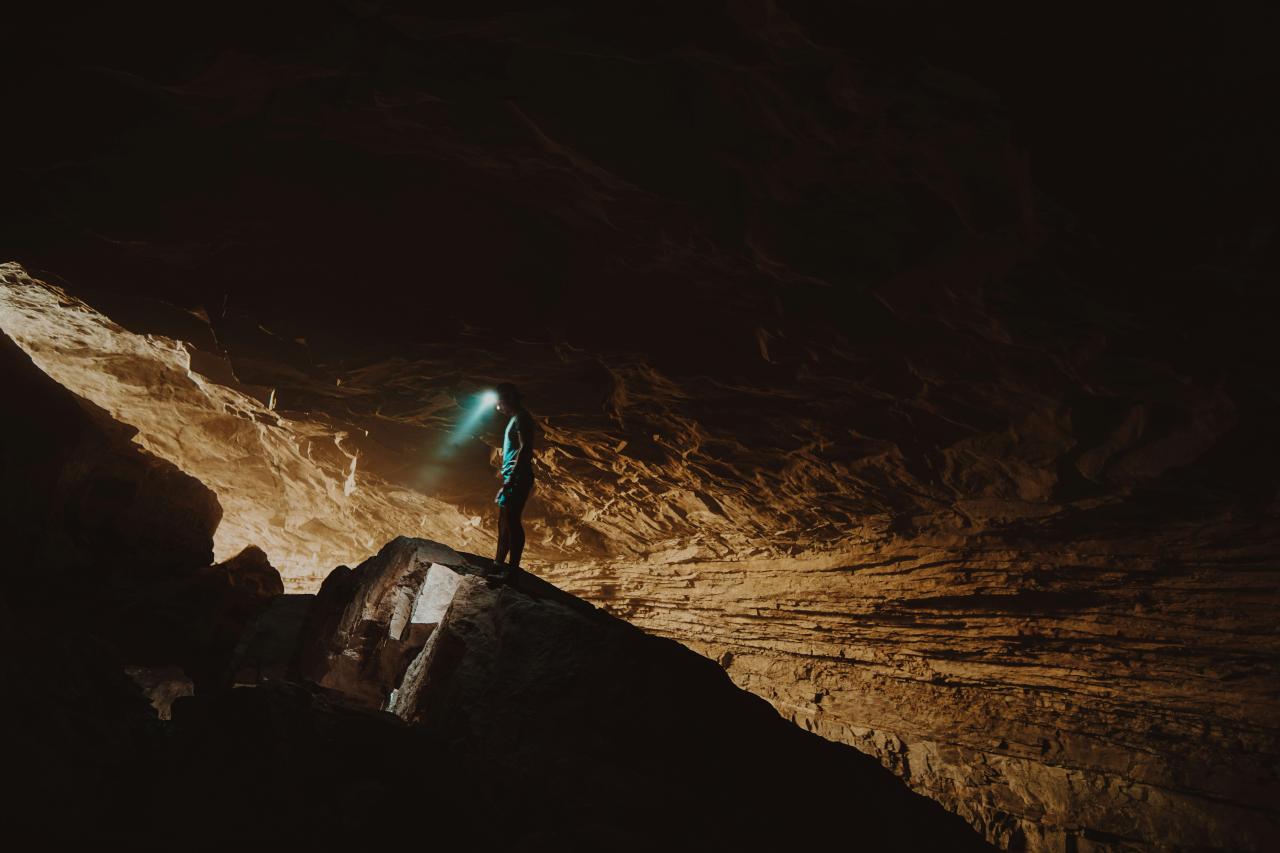
Elite explorers can operate their gear in complete darkness or under extreme stress. This level of familiarity is achieved through rigorous training and repetitive interaction with the equipment. When the gear becomes an extension of the body, the mind is free to focus on navigation and survival.
B. The “Ounces Equal Pounds” Mental Framework
Every small decision in gear selection contributes to the final weight of the kit. Adopting a mindset where every gram is scrutinized leads to a significantly lighter total load. This discipline prevents the “just in case” items from accumulating and slowing down the expedition.
C. Risk Assessment and Essential Redundancy
While minimalism is the goal, essential items like fire starters and medical kits must have backups. The skill lies in choosing redundancies that are extremely light and high in utility. A backup light source should be a micro-LED rather than a full-sized second headlamp.
Digital Navigation and Satellite Integration
The modern explorer is never truly lost thanks to the integration of global positioning systems and satellite communication. This technology has revolutionized the safety of solo adventures.
A. S.O.S. Beacon Logic and Global Reach
Satellite messengers allow users to send distress signals from any point on the planet, regardless of cellular coverage. These devices provide a lifeline to emergency services and allow family members to track progress in real-time. This connectivity has significantly reduced the response time for mountain rescue teams.
B. Topographic Mapping and Off-Grid Data
Modern apps allow for the storage of high-resolution topographic maps directly on wearable devices. These tools provide real-time data on elevation, gradient, and estimated time of arrival. Having this data at the wrist reduces the need for stopping and checking physical maps.
C. Wearable Bio-Sensors and Performance Tracking
Elite gear now includes sensors that monitor heart rate, blood oxygen levels, and body temperature. This data allows the explorer to manage their pace and prevent overexertion before it leads to a medical emergency. Understanding the body’s data is the key to maintaining long-term stamina.
Sustainable Gear Life Cycles and Maintenance
High-performance gear is an investment that requires proper care to maintain its technical properties. Understanding the lifecycle of your equipment ensures that it will not fail when you need it most.
A. DWR Restoration and Fabric Treatment
The waterproof coating on jackets and tents eventually wears down and must be reapplied. Using specialized cleaners and heat-treatment processes restores the water-beading properties of technical fabrics. Proper maintenance extends the life of the gear and reduces the environmental impact of waste.
B. Field Repair Kits and Mechanical Intuition
Every adventurer must carry the tools and knowledge to fix their gear in the wild. This includes specialized tape for fabric tears, spare buckles, and needle-and-thread for structural repairs. Being self-sufficient with your gear is a hallmark of an elite explorer.
C. Storage Protocols and Environmental Protection
Technical fabrics and down insulation can be damaged by improper storage in humid or compressed environments. Storing gear in a loose, dry state ensures that the loft and breathability remain intact for years. Respecting the gear at home is just as important as trusting it in the field.
Future Innovations in Performance Equipment
The industry is currently on the verge of several breakthroughs that will further reduce weight and increase the utility of adventure gear.
A. Bio-Engineered Fabrics and Spider Silk
Scientists are developing synthetic versions of spider silk that offer strength and elasticity far beyond current synthetic fibers. These bio-fabrics will allow for gear that is nearly indestructible yet weighs almost nothing. This is the next frontier of material science in the travel space.
B. Smart Fabrics with Adaptive Insulation
Imagine a jacket that automatically changes its thickness based on the external temperature. Shape-memory polymers are being integrated into fabrics to create “living” garments that breathe when you are hot and close up when you are cold. This will eliminate the need for carrying multiple layers.
C. 3D-Printed Ergonomic Footwear and Packs
The future of gear is custom-fitted to the individual’s unique anatomy through 3D scanning and printing. This ensures a perfect interface between the gear and the body, eliminating friction and maximizing comfort. Personalized gear will become the standard for elite performance.
Conclusion
Elite ultra-light performance gear represents the absolute pinnacle of modern human mobility. This journey requires a disciplined balance of technical precision and minimalist philosophical alignment. Every visionary must take full responsibility for the governance of their physical equipment. The ability to move fast offers a revolutionary way to experience the planet without limits. Systemic complexity should be embraced as the mechanism that creates a massive athletic advantage. A successful expedition engine is built on a foundation of stable material standards.
Continuous learning is the only way to keep pace with the rapid innovation of textiles. Emotional discipline is more important than technical skill when navigating extreme mountain environments. Rigorous maintenance protocols ensure that the gear you buy today remains a permanent asset. The shift toward a minimalist adventure economy is an unstoppable force in modern travel. By following these elite strategies, you position yourself on the right side of the exploration revolution. Performance is not just about the gear but about the freedom that lightweight systems provide.
The blueprints provided here are your roadmap to navigating the complex world of technical gear. Focus on the materials, ignore the superficial marketing, and stay committed to your long-term vision. True mobility sovereignty is the ultimate goal of every elite architect in the adventure space. The future of exploration is light, fast, and ready for those brave enough to build it. The road to prosperity is paved with titanium, carbon fiber, and the courage to leave the extra weight behind.