
Parisian Life: Authenticity Lies Outside the Guidebooks
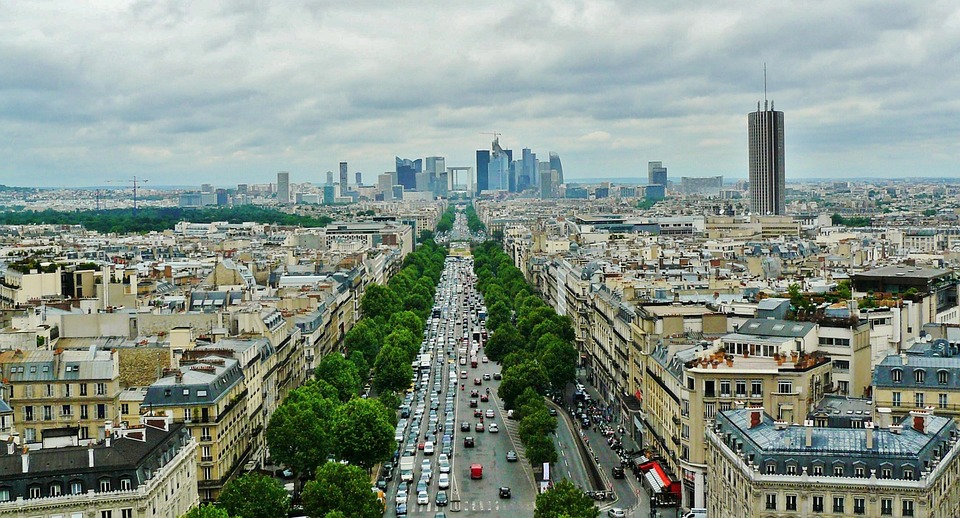
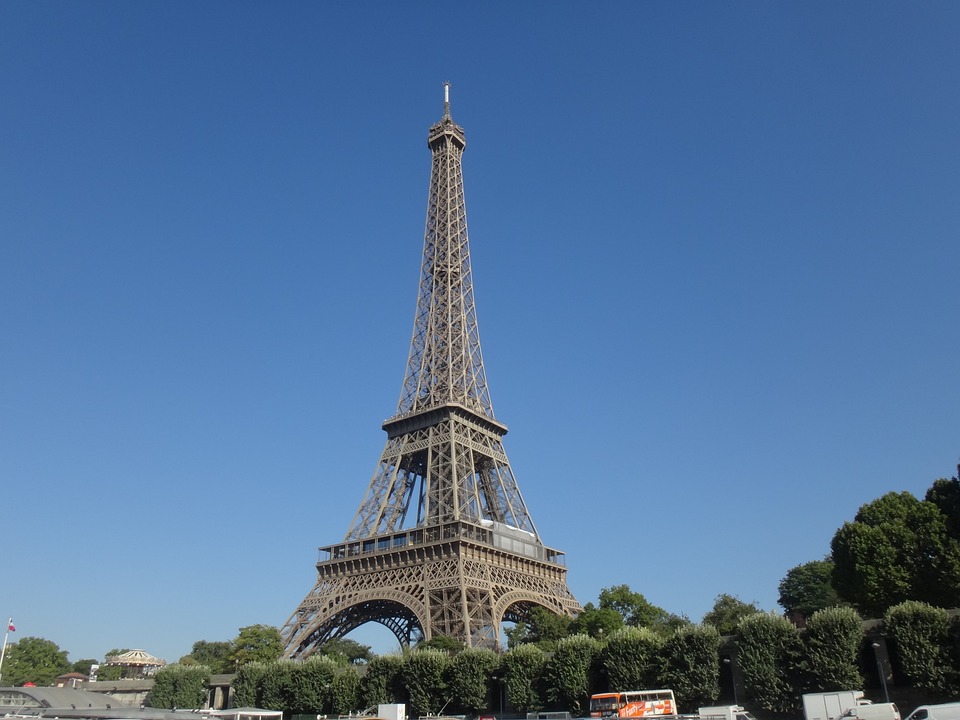
Paris, the City of Light, evokes immediate images of the grand and the iconic: the iron lattice of the Eiffel Tower soaring above the Champ de Mars, the historic gargoyles watching over Notre Dame, and the bustling high fashion houses lining the Champs-Élysées. While these legendary landmarks form the essential tapestry of any first-time visit, they represent only the glossy surface of a city whose true, soulful character thrives within its less-traveled, deeply authentic neighborhoods, often just a short Métro ride away from the tourist throngs. The real magic of Parisian life—the rhythmic daily routines, the quiet conversations over café crème, the independent bakeries where the smell of rising sourdough permeates the air—is found not in the museum queues but in the residential enclaves where locals live, shop, and gather.
Venturing beyond the central arrondissements and dedicating time to these hidden quartiers allows the thoughtful traveler to connect with the genuine, subtle nuances of French culture, transforming a hurried sightseeing trip into an immersive, rich, and unforgettable experience. This in-depth guide is designed to peel back the layers of tourist infrastructure, leading you deep into the heart of five unique, vibrant Parisian neighborhoods that offer distinct histories, local flavors, and a welcome respite from the crowds, proving that the city’s most rewarding treasures are often found where the guidebooks stop pointing.
Phase One: Canal Saint-Martin (The Bohemian Chic)
Located in the 10th and 11th Arrondissements, Canal Saint-Martin is the city’s effortlessly cool, low-key haven, known for its bohemian vibe, independent boutiques, and trendy waterfront social scene.
This neighborhood offers a relaxed, unpretentious atmosphere, making it a favorite for young Parisian professionals and creative types seeking calm from the central bustle.
A. The Canal’s Unique Charm and History
The canal itself, commissioned by Napoleon in the early 19th century, was designed primarily to bring fresh water to the city and avoid congestion on the Seine.
- Iron Footbridges: Its picturesque atmosphere is defined by the wrought-iron footbridges and chestnut-tree-lined banks, which are perfect for a long, leisurely stroll or a waterfront picnic (pique-nique).
- Lock System: Watch the fascinating operation of the canal’s several double locks, where the water levels are manually raised and lowered to allow barges and recreational boats to pass through.
- Filming Location: The area gained international fame after being heavily featured in the 2001 French film Amélie, cementing its reputation as a place of quirky, romantic charm.
- Local Bakeries: Seek out Du Pain et Des Idées, a historic bakery renowned for its traditional bread recipes, including the famous pain des amis (friendship bread).
- Sunday Vibe: Sundays here are particularly peaceful, as the streets surrounding the canal are often closed to car traffic, creating a massive, pedestrian-friendly social space.
B. Boutique Shopping and Dining
The streets immediately surrounding the canal banks are a haven for independent designers, vintage stores, and specialty concept shops.
- Concept Stores: Explore unique concept stores like Centre Commercial, which champions French and European ethical, sustainable fashion brands.
- Vintage Finds: Hunt for treasures in the small, curated vintage shops that dot the side streets, offering everything from classic French workwear to high-end designer remnants.
- Lunch Strategy: Avoid the slightly pricier canal-side bistros and instead grab a takeaway sandwich or a specialty salad from a local traiteur (delicatessen) and eat it by the water’s edge.
- Aperitif Culture: Join the locals in the early evening for the apéritif hour, sitting along the water with a bottle of wine purchased from a nearby caviste (wine shop).
- Market Exploration: The nearby Marché Saint-Martin is a smaller, covered market offering gourmet French produce, cheese, and meats, ideal for gathering picnic ingredients.
Phase Two: La Butte aux Cailles (The Village in the City)
Hidden away in the south of the 13th Arrondissement, La Butte aux Cailles (The Quail Hill) feels like a small, self-contained village, characterized by its cobblestone streets, low-rise stone buildings, and remarkable quietude.
This tiny quartier largely survived Baron Haussmann’s 19th-century renovations, retaining a provincial, historic atmosphere that is unique in Paris.
A. Architecture and History
The area’s distinct architectural style immediately sets it apart from the grand avenues of central Paris, offering a glimpse into the city’s past.
- Cobblestone Streets: Wander through the narrow, sloping cobblestone streets, such as the Rue des Cinq Diamantsand the Rue Daviel, admiring the quaint, early $20$th-century houses.
- Art Nouveau Gems: Look for charming, small Art Nouveau buildings, a style that favors nature-inspired lines and decorative wrought iron.
- Street Art: The district has become a low-key hub for impressive, politically charged street art and murals, particularly around the Place Paul Verlaine.
- Artésian Well: Visit the Piscine de la Butte-aux-Cailles, an historic swimming pool fed by an artesian well, showcasing beautiful brick and stone work.
- Protected Status: Many of the small, picturesque houses here are protected, ensuring the area retains its historic, low-rise silhouette against the backdrop of the city’s modern towers.
B. Dining and Socializing
La Butte aux Cailles is celebrated for its authentic, unpretentious dining scene and its vibrant, local bar culture.
- Local Bistros: Seek out the traditional, old-school Parisian bistros that still serve classic French fare (like steak fritesand pot-au-feu) at reasonable prices, far removed from tourist menus.
- Student Hangouts: Due to its slightly cheaper cost of living, the area attracts students, resulting in lively, friendly, and affordable bars and pubs.
- Casual Wine Bars: Enjoy a casual evening at one of the cozy wine bars that spill onto the sidewalks in the evening, focusing on regional French wines rather than expensive, big-name bottles.
- Hidden Gardens: Look for the small, tucked-away green spaces and flower gardens that provide unexpected pockets of greenery in the midst of the stone city.
- Local Market Day: Plan a visit around the local market day to experience the neighborhood’s communal atmosphere and buy fresh, regional produce directly from the vendors.
Phase Three: Le Marais (The Historic & Trendy Contrast)
The Marais, spanning parts of the 3rd and 4th Arrondissements, is no longer truly “hidden,” but its complex layers—from aristocratic history and Jewish heritage to LGBTQ+ culture and high-end fashion—require deep exploration to truly appreciate its uniqueness.
Le Marais blends $17$th-century mansions with contemporary trendiness, making it a vibrant cultural and historical nexus point.
A. Historic and Cultural Significance
Le Marais (The Swamp, historically) was once the district of Parisian nobility and later became a historically significant cultural center.
- Place des Vosges: Visit the Place des Vosges, the oldest planned square in Paris, featuring stunning symmetry, red brick facades, and arcaded galleries that now house art galleries and cafés.
- Hôtel Particuliers: Wander the streets (like the Rue des Francs-Bourgeois) to admire the grand hôtels particuliers(private mansions), many of which are now museums or public archives.
- Jewish Quarter (Pletzl): Explore the historic Jewish quarter around the Rue des Rosiers, famous for its traditional bakeries and, most famously, the line-ups for falafel stands.
- Musée Carnavalet: Dedicate time to the Musée Carnavalet, the museum dedicated to the history of Paris, housed in two magnificent former private mansions.
- Medieval Remains: Look for the remnants of the old city walls and medieval street layouts that still define the structure of the quartier, a testament to its long history.
B. Contemporary and Culinary Highlights
Despite its history, Le Marais remains one of Paris’s most dynamic and forward-looking neighborhoods, particularly in terms of food and retail.
- Falafel Wars: Join the friendly competition for the best falafel at the Rue des Rosiers, comparing the legendary flavors of L’As du Fallafel and its competitors.
- Designer Boutiques: Browse the high-end, independent designer boutiques that offer unique clothing and accessories, often showcasing emerging French talent.
- Contemporary Art: Explore the numerous contemporary art galleries that have taken up residence in the renovated spaces of the old hôtels particuliers.
- Gay Village: Experience the lively, welcoming atmosphere of the historic Gay Village, concentrated around the Rue Vieille du Temple, known for its buzzing bars and community life.
- Hidden Courtyards: Keep an eye out for the many gates leading to hidden, tranquil courtyards and gardens, offering momentary escapes from the street noise.
Phase Four: Belleville (The Panoramic Melting Pot)
High up in the 20th Arrondissement, Belleville is Paris’s most vibrant and genuine cultural melting pot, offering raw, working-class history, incredible street art, and some of the city’s most spectacular views.
Belleville provides an authentic, diverse, and often gritty counterpoint to the polished elegance of central Paris.
A. Diversity and Street Life
Belleville’s identity is defined by its deep cultural diversity, being home to large immigrant communities from North Africa, China, and various parts of Southeast Asia.
- Market Buzz: Experience the chaotic energy and incredible value of the Marché de Belleville, a massive street market selling everything from fresh produce and clothing to spices and rare imports.
- Chinese Quarter: Explore the distinct, sprawling Chinese quarter, which offers authentic dining experiences far removed from the more famous, but often tourist-centric, Chinese areas in the $13$th arrondissement.
- Working-Class Roots: Reflect on the neighborhood’s strong working-class and socialist history, which gives it a unique, resilient spirit reflected in its local activism.
- Street Art Hub: Belleville is one of the premier locations in Paris for high-quality, frequently changing street art, particularly around the Rue Denoyez.
- Local Cafés: Stop at one of the local, no-frills cafes where you can enjoy a coffee for under $2$ Euros, a rarity in central Paris.
B. The Parc de Belleville and Panoramic Views
The neighborhood’s hilly geography provides an incredible reward: one of the best, unobstructed panoramic views of the entire Parisian skyline.
- Parc de Belleville: Ascend to the highest point of the Parc de Belleville, a beautiful terraced park built on the former site of the neighborhood’s extensive vineyards.
- Eiffel Tower View: The view from the park offers a stunning, slightly distant, and complete vista of the city, perfectly framing the Eiffel Tower, making it an ideal spot for sunset photos.
- Wine History: Learn about the area’s forgotten history as a major wine-producing region; a small patch of vines still grows in the park as a historical tribute.
- Quiet Green Space: The park itself is a popular local gathering spot, featuring fountains, grassy slopes for lounging, and a large playground area.
- Musée Edith Piaf: Seek out the tiny, private museum dedicated to the legendary French singer Edith Piaf, who grew up in the Belleville area, offering a glimpse into her humble beginnings.
Phase Five: Montmartre (The Tourist-Adjacent Gem)
Montmartre (18th Arrondissement) is famous for the Sacré-Coeur and the Place du Tertre, but its true charm lies in the small, winding streets and historic remnants just off the main tourist paths.
The goal here is to navigate around the immediate tourist crush and find the quiet, artistic heart that originally made Montmartre famous.
A. Escaping the Sacré-Coeur Crowds
The area immediately surrounding the basilica and the artist square is inevitably crowded, but easy escape routes lead to true gems.
- Back Streets: Immediately duck into the small, sloping side streets and staircases (like the Rue de l’Abreuvoir) rather than following the crowds to the main square.
- Café Consulat: Find a quiet, historic café like Le Consulat or La Bonne Franquette, known for having served famous artists like Picasso and Van Gogh in the early $20$th century.
- Vineyard (Vignes): Locate the Clos Montmartre, the only functioning vineyard left in Paris, providing a quaint and unexpected piece of agricultural history.
- Cimetière de Montmartre: Visit the large, quiet cemetery, the final resting place of famous French writers, artists, and musicians, offering a serene, historic walk.
- Musée de Montmartre: Explore the small, beautiful museum dedicated to the area’s artistic history, which also features lovely, quiet gardens that feel miles away from the crowds.
B. Historic Artistic and Social Sites
Montmartre’s true legacy rests in the artists, writers, and revolutionaries who called this working-class hill home.
- Le Mur des Je T’aime: Visit the Wall of I Love Yous (Le Mur des Je T’aime) in the Square Jehan Rictus, a fun, romantic spot featuring the phrase “I love you” written in over $250$ languages.
- Dalida Statue: Locate the statue of the legendary Egyptian-Italian singer Dalida, a former resident, whose statue is said to bring good luck when rubbed (a common Parisian superstition).
- Moulin Rouge: While iconic, view the Moulin Rouge from the outside, recognizing its historical significance as the birthplace of the can-can and a symbol of bohemian nightlife.
- Abbesses Métro Station: Marvel at the beautiful, original Art Nouveau entrance of the Abbesses Métro station, one of the few remaining examples designed by Hector Guimard.
- Local Creperies: Stop for an authentic, simple crêpe at one of the tiny, hole-in-the-wall crêperies found on the quiet side streets, often serving them at a fraction of the central price.
Final Thoughts on Authentic Paris
Paris is a city of layers, and its true beauty is only revealed to those willing to peel back the polished exterior presented in the glossy brochures. Leaving the immediate center and delving into these unique quartiers transforms your experience from passive sightseeing into active immersion. The reward for this curiosity is a profound connection with the rhythm of genuine Parisian life. You will discover the city’s diverse soul in the spice markets of Belleville and find quiet reflection on the cobblestones of La Butte aux Cailles. These authentic moments—the smell of fresh bread from an obscure bakery, the sight of locals playing pétanque by the canal—are the ones that truly define a memorable trip. Do not just visit Paris; live it, by venturing past the landmarks and into the hearts of its neighborhoods.