
The Sacred Ritual of Japanese Bathing Culture
The Onsen, or Japanese natural hot spring bath, is infinitely more than a simple act of bathing; it is a sacred, deeply ingrained cultural ritual rooted in centuries of tradition, health benefits, and communal respect. For the uninitiated foreign traveler, navigating the precise and non-negotiable etiquette of the Onsen can feel daunting, laden with potential for accidental social offense or moments of profound awkwardness. However, understanding and adhering to these rules—from the meticulous cleansing process before entering the water to the proper use of the small modesty towel—is the key to unlocking one of Japan’s most restorative and beautiful experiences.
The Onsen is a place of wa (harmony), designed to promote physical and mental purity in a shared, respectful space. This comprehensive guide seeks to demystify the entire Onsen process, providing a detailed, step-by-step roadmap for etiquette, clarifying the often-confusing rules regarding tattoos, and revealing the best types of Onsen—from luxurious Ryokans (traditional inns) to rustic, mountain-side Rotenburo (outdoor baths)—to ensure your visit is a tranquil, respectful, and genuinely Japanese experience that leaves you feeling cleansed, centered, and deeply connected to the country’s ancient customs.
Phase One: Pre-Bath Essentials and Preparation
The experience begins long before you reach the actual water. Preparation focuses on hygiene, modesty, and understanding the facility’s layout.
The entire ritual is built on the principle that the soaking water must remain pristine for the benefit of all bathers.
A. Entering the Onsen Area
Upon entering the bathhouse (sento or onsen), specific protocols govern your actions before reaching the changing room.
- Gender Separation: Strictly observe the signs indicating male (otoko, usually marked with blue or a dark curtain) and female (onna, marked with red or a light curtain) changing rooms. Entering the wrong area is a serious breach of etiquette.
- Shoe Removal: Immediately remove all outdoor shoes upon entering the facility and place them neatly in the designated cubbies or lockers near the entrance.
- Locker Usage: In the changing room (datsuijo), undress completely and place all your clothes, electronics, and personal items into the provided locker or basket.
- Towel Management: Take only two things into the bathing area: the small modesty towel (kama-towel) and the large bath towel (which stays in the changing room for drying later).
- Hydration: Drink a glass of water before entering the bath, as the heat of the springs can cause rapid dehydration, and carry a small bottle of water with you to sip during the process.
B. The Complete Tattoo Protocol
The rules regarding tattoos (irezumi) remain the single biggest barrier for many foreign travelers, stemming from the historical association of tattoos with the Yakuza (Japanese organized crime).
- Exclusion: Many traditional or highly public Onsen and Ryokans maintain a strict, blanket ban on all tattoos, regardless of size or meaning.
- Cover-Up: For small tattoos (the size of a postcard or smaller), a common solution is to purchase skin-colored, waterproof patches specifically designed to cover the ink completely while bathing.
- Private Baths (Kashikiri): The surest way for a heavily tattooed traveler to experience the Onsen is to book a private bath (kashikiri) that can be reserved for individual or couple use, ensuring no public exposure.
- Tattoo-Friendly Facilities: Research and seek out the growing number of modern, tourist-friendly, or regional Onsen that have explicitly dropped the tattoo ban, catering to Western tourists.
- Ryokan Inquiry: If staying at a Ryokan, always ask discreetly upon booking whether they permit tattoos or if they can reserve a private bathing time for you.
Phase Two: The Cleansing Ritual (Purification)
The mandatory pre-soaking cleansing is the most critical step, serving as a physical and symbolic purification before entering the communal water.
Entering the main bath without thorough cleansing is considered highly disrespectful and unhygienic.
A. The Washing Station
Before taking a single step toward the main bath, you must spend a substantial amount of time at the washing station.
- Seated Position: Always sit on the small, low stool provided at the washing station. Never stand up while washing, as this can splash other bathers.
- Rinse Down: Thoroughly rinse your body using the provided basin (oke) or handheld showerhead.
- Soap and Shampoo: Use the provided soap, shampoo, and conditioner (often a delightful local scent) to wash every part of your body.
- Complete Rinsing: It is crucial to rinse every trace of soap and suds from your body and hair before leaving the station. The slightest residual soap will contaminate the main bath.
- Cleaning the Station: As a final act of etiquette, quickly rinse down your stool, bucket, and the floor area around your station, leaving it perfectly clean and ready for the next person.
B. Entering the Bath and Towel Protocol
Once fully cleansed, you may proceed to the main communal bath, adhering strictly to the rules of modesty and hygiene management.
- The Modesty Towel: The small kama-towel is used strictly for modesty while walking between the changing room, the washing station, and the main bath. It is not used for washing.
- No Water Contact: Crucially, the kama-towel must never touch the Onsen water. Place it neatly folded on the edge of the bath, or, more traditionally, fold it and rest it on top of your head while soaking.
- Entering the Water: Slowly and quietly ease yourself into the Onsen, avoiding any sudden splashing or noise that would disturb the tranquility of others.
- Soaking Duration: Do not attempt to soak for too long initially, especially in very hot water. Start with $5$ to $10$minutes, take a break, rinse, and re-enter if desired.
- The Goal: The purpose is tranquil soaking and communal relaxation, not vigorous swimming, washing, or playing.
Phase Three: In-Bath and Post-Bath Conduct
The time spent soaking is dedicated to silent relaxation and physical restoration, requiring specific behaviors to maintain harmony.
Silence and respect for the personal space of others define the communal Onsen experience.
A. In-Bath Behavior
Maintaining silence and tranquility is essential, as the Onsen is intended for meditation and healing.
- No Talking: While quiet conversation is sometimes permissible in large resort Onsen, the ideal is near silence. Avoid loud talking, shouting, or using a boisterous tone.
- No Submerging Hair: Long hair must be tied up neatly in a bun or secured with a cap, ensuring it never touches the bath water.
- Personal Space: Be mindful of the personal space of others. Do not splash, point, or stare at other bathers.
- Adding Cold Water: Never add cold water to the bath to lower the temperature, as this disrupts the natural mineral balance and the temperature intended by the facility.
- Dipping: If the bath feels too hot, slowly dip your feet and lower legs first to allow your body to adjust before submerging your core.
B. Post-Bath Routine
The routine after leaving the main bath is as important as the pre-wash, managing your body temperature and final hygiene.
- Rinse Off: Before returning to the changing room, take a final, quick rinse at the washing station using plain tap water (not soap) to remove any residual mineral deposits from the Onsen water.
- Drying: Use the small kama-towel to wipe excess water from your body before stepping back into the changing room. This prevents puddles on the dry floor.
- The Main Towel: Once back in the datsuijo (changing room), you can use the large bath towel, which remained dry, to thoroughly dry yourself.
- Rest and Hydration: After dressing, proceed to the resting area (kyūkei-shitsu) to relax and sip tea or water. Allow your body temperature and heart rate to return to normal before resuming activity.
- No Tipping: Tipping is not customary in Japan, especially in Onsen and Ryokans; a simple, polite arigatou gozaimasu (thank you very much) suffices.
Phase Four: Finding the Perfect Onsen (Types and Settings)
Onsen vary dramatically in their source, setting, and amenities, offering distinct experiences from luxurious private soaks to rustic public dips.
The type of Onsen you choose will dictate the level of tradition and formality encountered.
A. Ryokan Onsen (Luxury and Tradition)
The Ryokan, or traditional Japanese inn, often features the highest quality and most exclusive Onsen facilities.
- Private Experience: Staying at a Ryokan often grants guests exclusive access to the Onsen, sometimes with separate hours for hotel guests only, ensuring a more private, quiet soak.
- High Service: Ryokans provide exceptional service, with staff often guiding foreign guests through the etiquette and ensuring the highest standards of cleanliness and comfort.
- Onsen Types: Many Ryokans offer a variety of baths, including large indoor baths (Ōyu), private Kashikiri baths, and outdoor Rotenburo baths with scenic views.
- Yumiko: Guests are typically provided with a yukata (cotton kimono) to wear around the premises, enhancing the immersive, traditional experience.
- Mineral Composition: Inquire about the unique mineral composition of the Ryokan’s specific spring, as different minerals (sulfur, iron, salt) are believed to provide different health benefits.
B. Rotenburo (Outdoor Baths)
The Rotenburo is the pinnacle of the Onsen experience, integrating the natural environment into the bathing ritual.
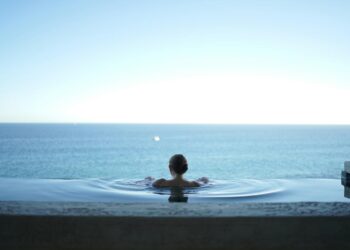
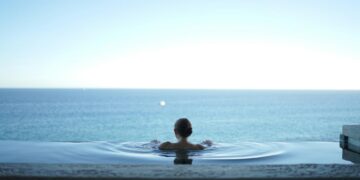
- Nature Immersion: These are outdoor baths that allow bathers to soak while surrounded by nature—a mountain stream, a snowy forest, or ocean views.
- Seasonal Beauty: The Rotenburo experience is particularly magical during the winter (when soaking in hot water while snow falls) or during Kōyō (autumn foliage season).
- Privacy Shields: While outside, the bath is usually surrounded by high wooden fences or natural landscaping to ensure complete privacy from the outside world.
- Rustic Appeal: Some of the most remote Rotenburo can be quite rustic, sometimes requiring a short walk in the open air, demanding an acceptance of the environment.
- Mixed-Gender Baths (Konyoku): While increasingly rare, some very traditional, remote Rotenburo are mixed-gender (konyoku), requiring even greater discretion and use of a large towel for women to cover themselves until submerged.
C. Super Sentō (Modern Bath Houses)
For a modern, low-cost, and easily accessible option, the Super Sentō offers a family-friendly, high-tech bathing experience.
- Spa Focus: These large urban complexes are more like day spas, featuring not only natural hot springs but also jet baths, saunas, cold plunges, relaxation areas, and restaurants.
- Lower Cost: Super Sentō are generally much cheaper than Ryokan day passes, making them excellent for budget travelers seeking a quick, luxurious soak.
- Amenities: They often feature high-end amenities, including massage chairs, comic book libraries, and sometimes even themed baths (e.g., milk or wine baths).
- Focus on Fun: While etiquette still applies, the atmosphere is generally more relaxed and social than a traditional, quiet Onsen.
- Easy Access: They are typically located near major train stations or in suburban areas, making them easy to reach for a half-day retreat.
Final Thoughts on Onsen Immersion
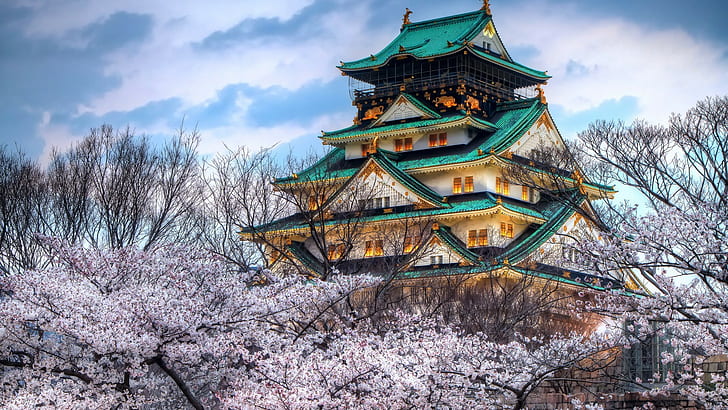
The Japanese Onsen ritual is a powerful testament to the nation’s deep-seated respect for hygiene, community, and tranquility. While the detailed rules might seem overwhelming at first, they are simply an expression of shared cultural values designed to ensure a pristine and peaceful experience for everyone present. Embracing the full ritual—from the meticulous cleansing at the washing station to the silent, reflective soaking—is the ultimate act of cultural respect. Do not fear the etiquette; approach it with humility and a willingness to learn. The reward for your adherence is an unparalleled sense of physical rejuvenation, a deep connection to Japanese tradition, and a tranquil moment of escape from the hurried pace of modern life. It is an essential, cleansing experience that is central to the heart of Japanese wellness.